



Fucoidan 8 (Okinawa Mozuku Fucoidan Plus Eight Herbal Components)
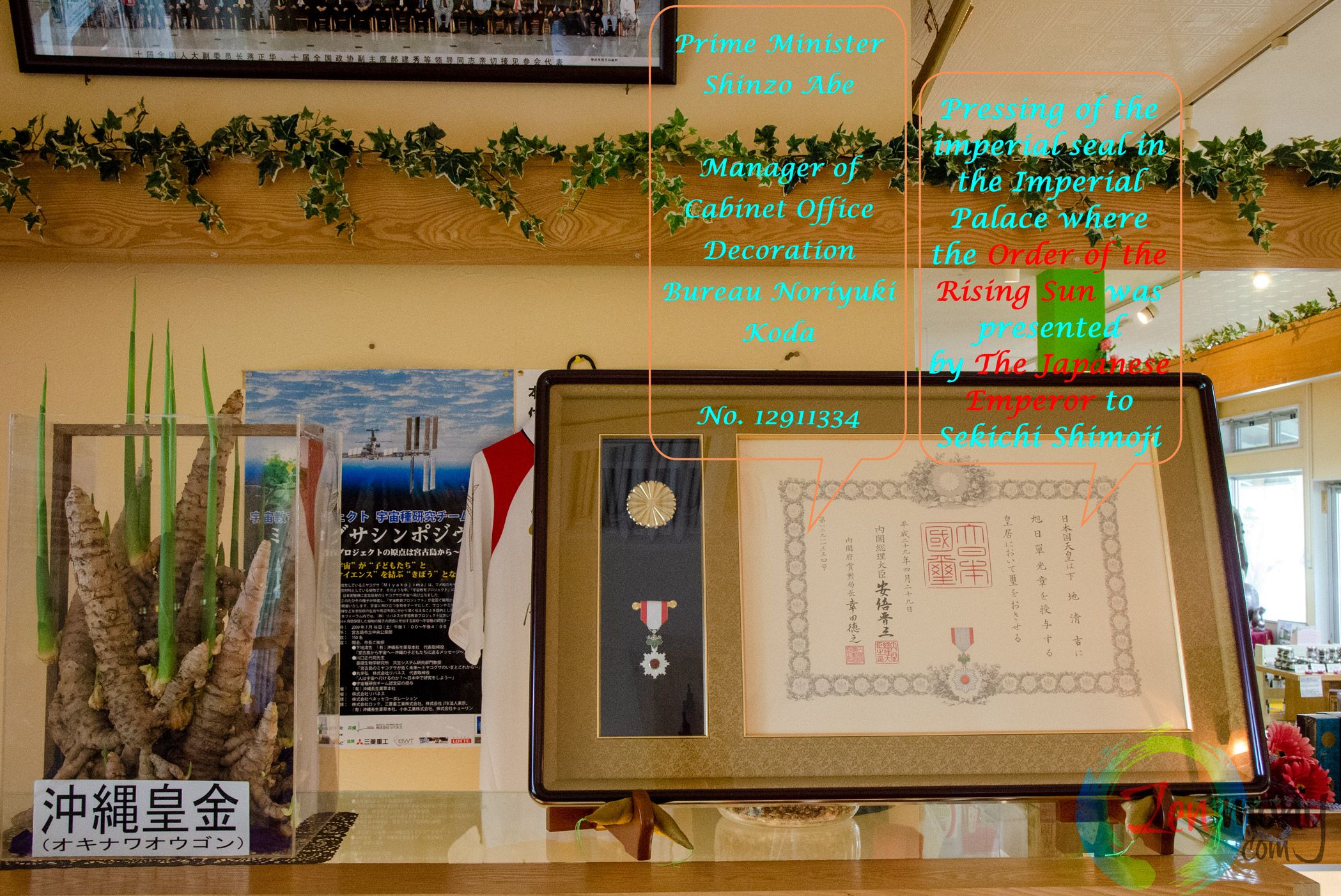
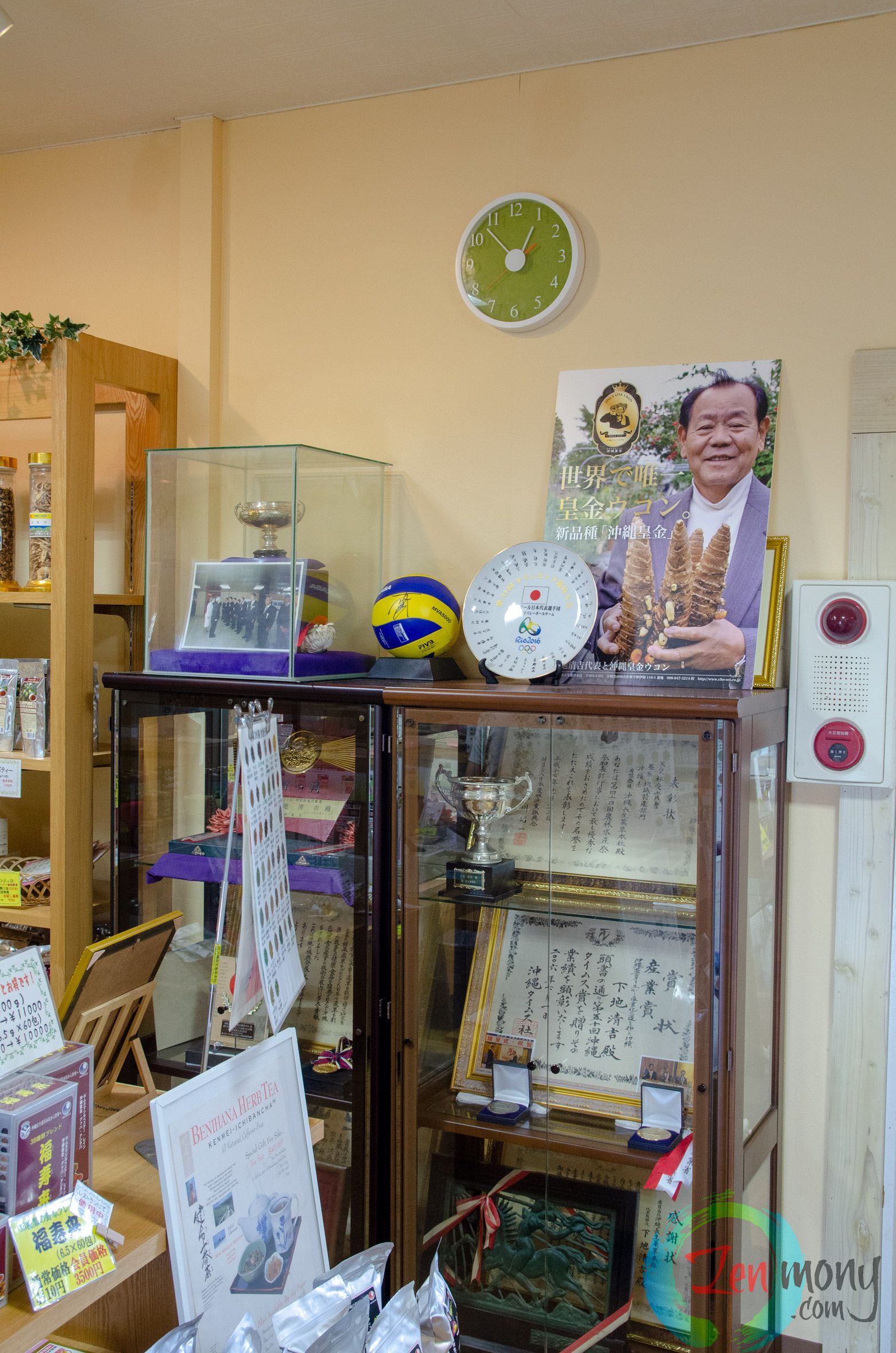
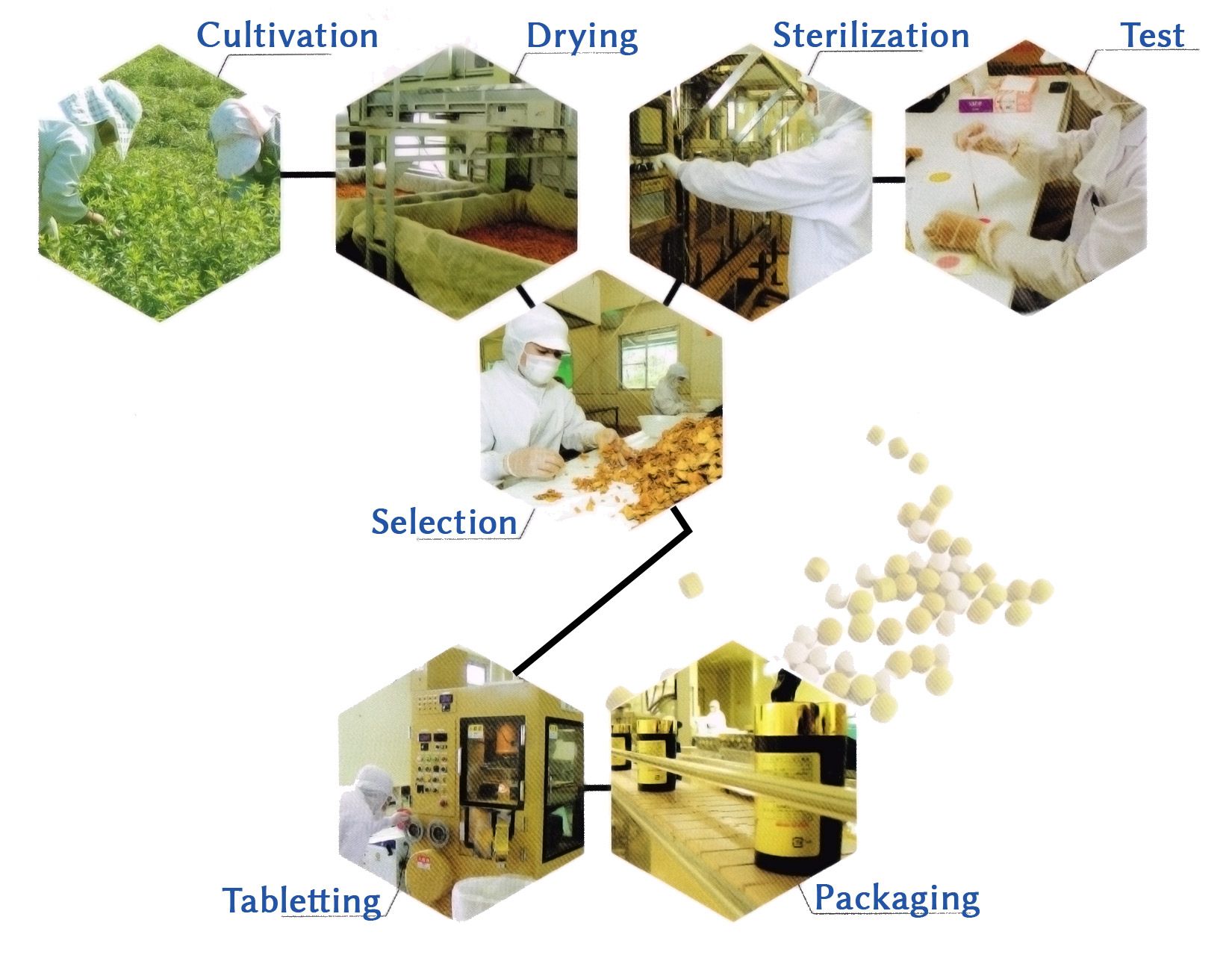
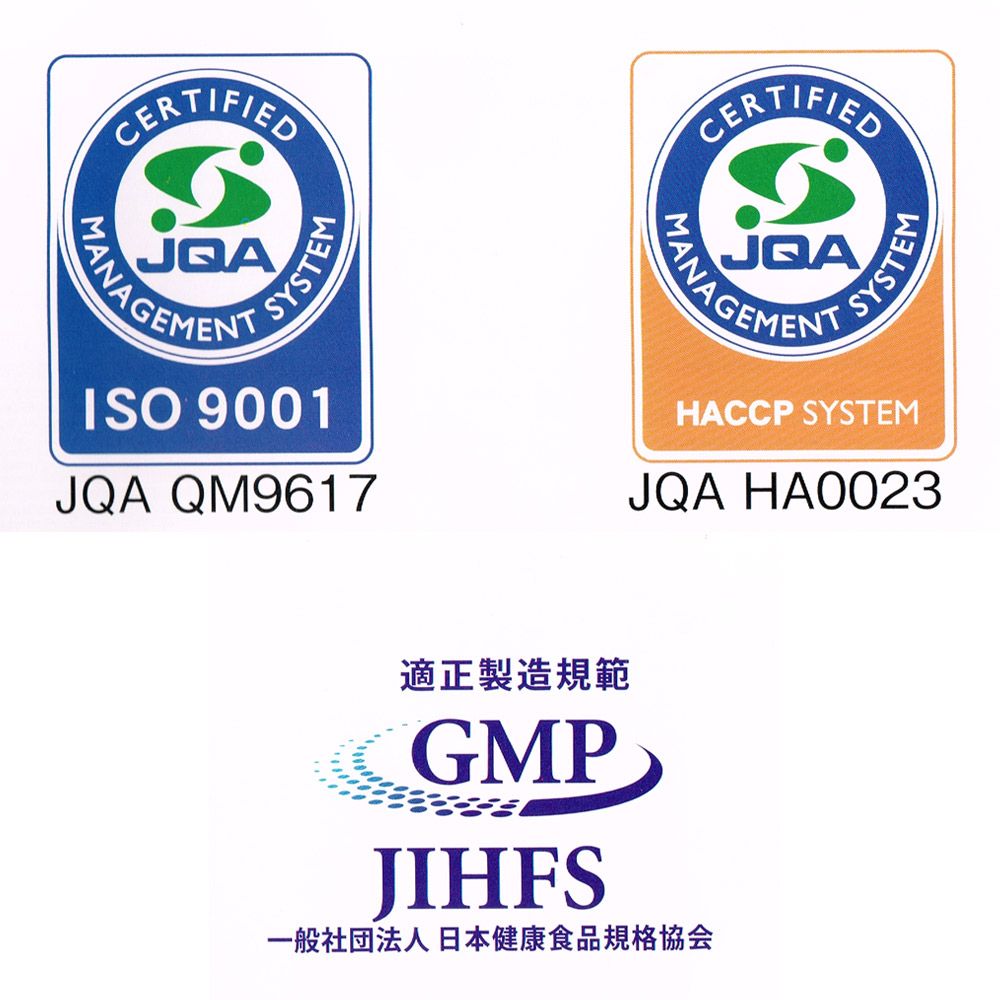
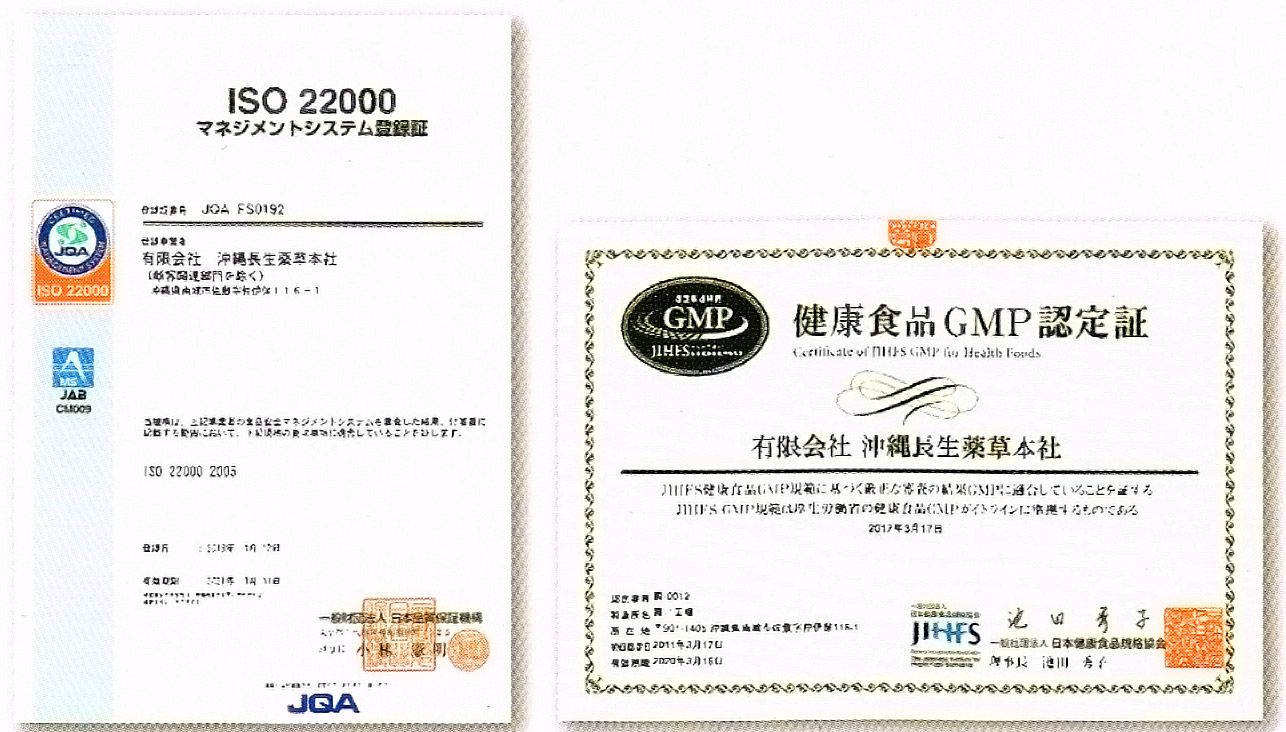
A product of Okinawa Chosei Yakuso Company Inc. Pressing of the Imperial Seal in the Imperial Palace where the Order of the Rising Sun was presented by the Japanese Emperor to Sekichi Shimoji, the founder of Chosei Yakuso Inc. 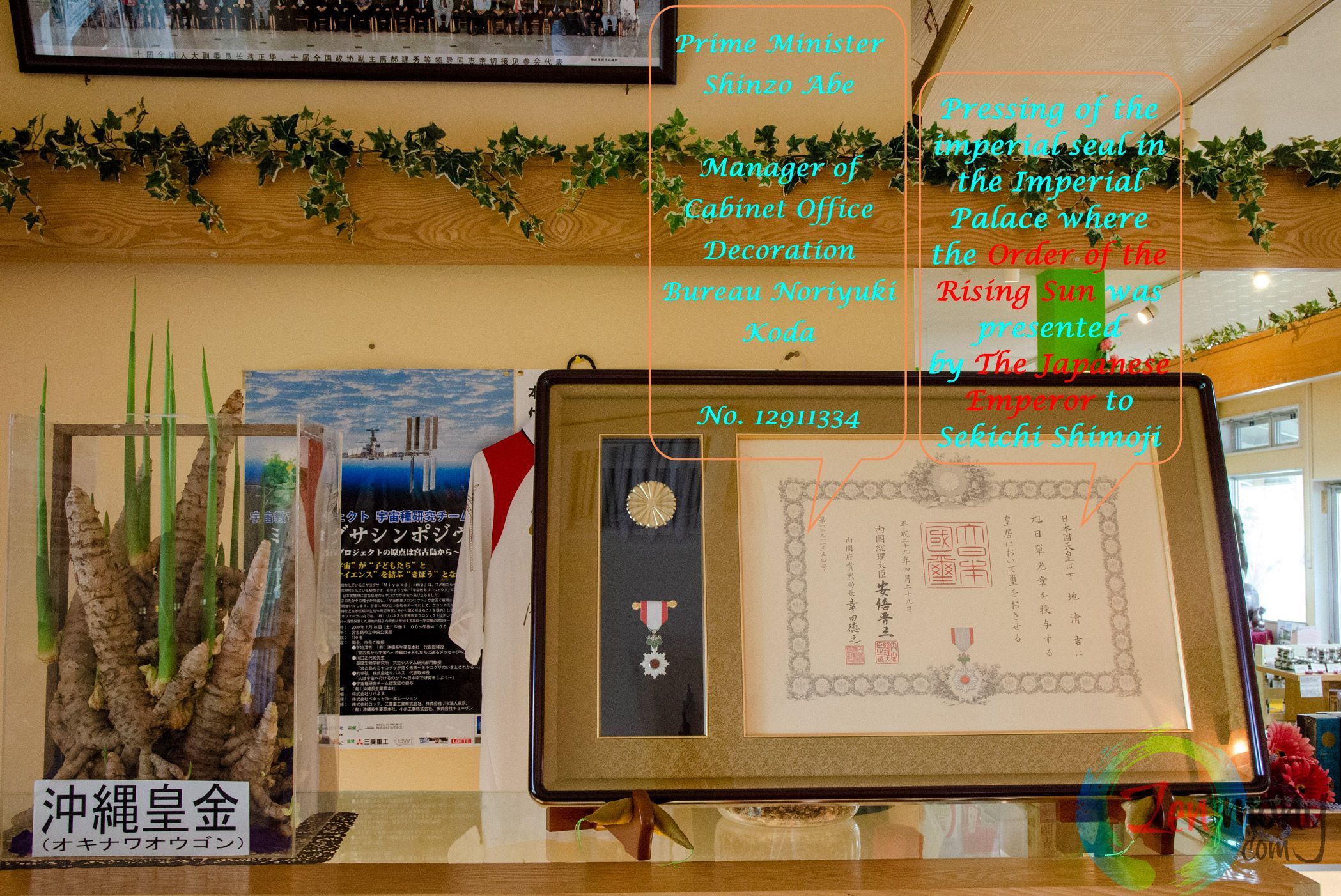 Here at Okinawa Chosei Yakusou Company Inc. we supply safe and secure ingredients, having established a network with a focus on plants of the world with the scarcity of value, and grow traditional Okinawan vegetables and herbs. We are committed to securing main ingredients from plants that are most traditionally used. Black ginseng, spring turmeric, purple turmeric, white turmeric, butterfly peas, citrus depressa, alpinia speciosa, noni, lemon grass, hime-rantan, bidens, plantain, Krantz aloe, manjerikon. Aiming for production which can be trusted as safe and secure, our herb has obtained integrated ISO22000 from its cultivation through to its manufacturing. Around 300 varieties of herbs are cultivated on 40,753 tsubo (13ha 4892.430m²) of wide open fields. These cultivation fields have consistently obtained certification - the first in Japan to do so. In 2011, we obtained certification for our health products.
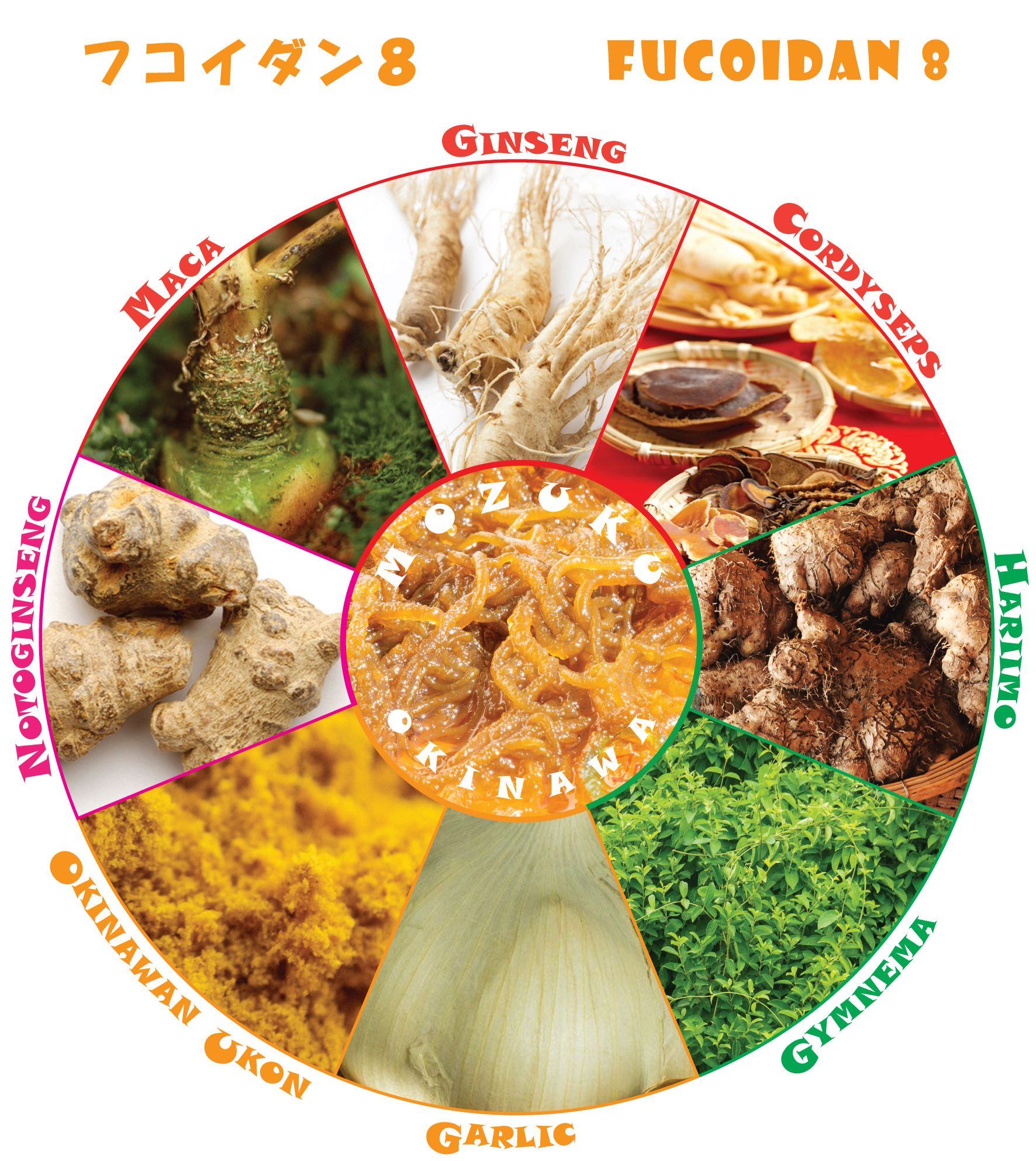
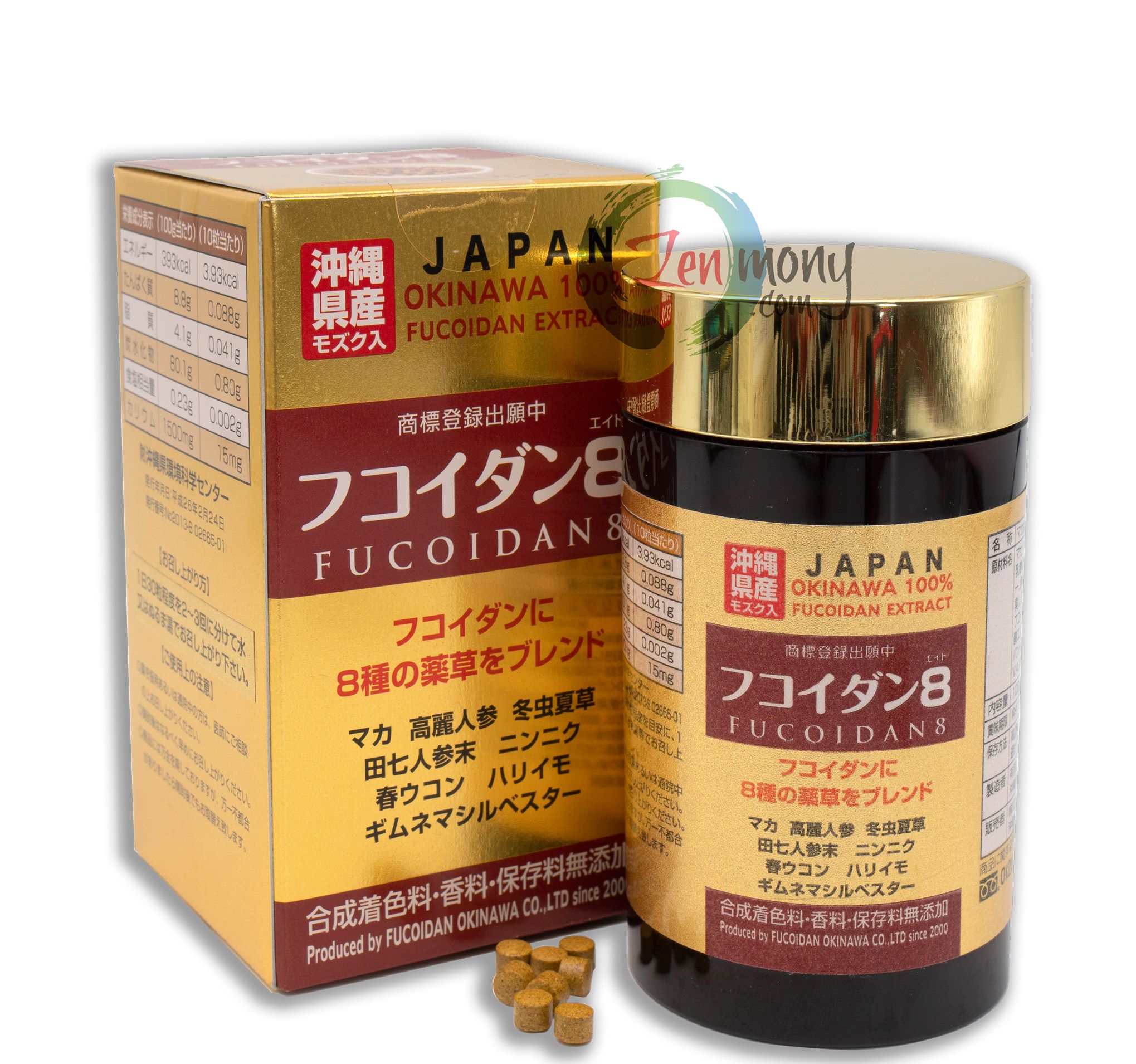
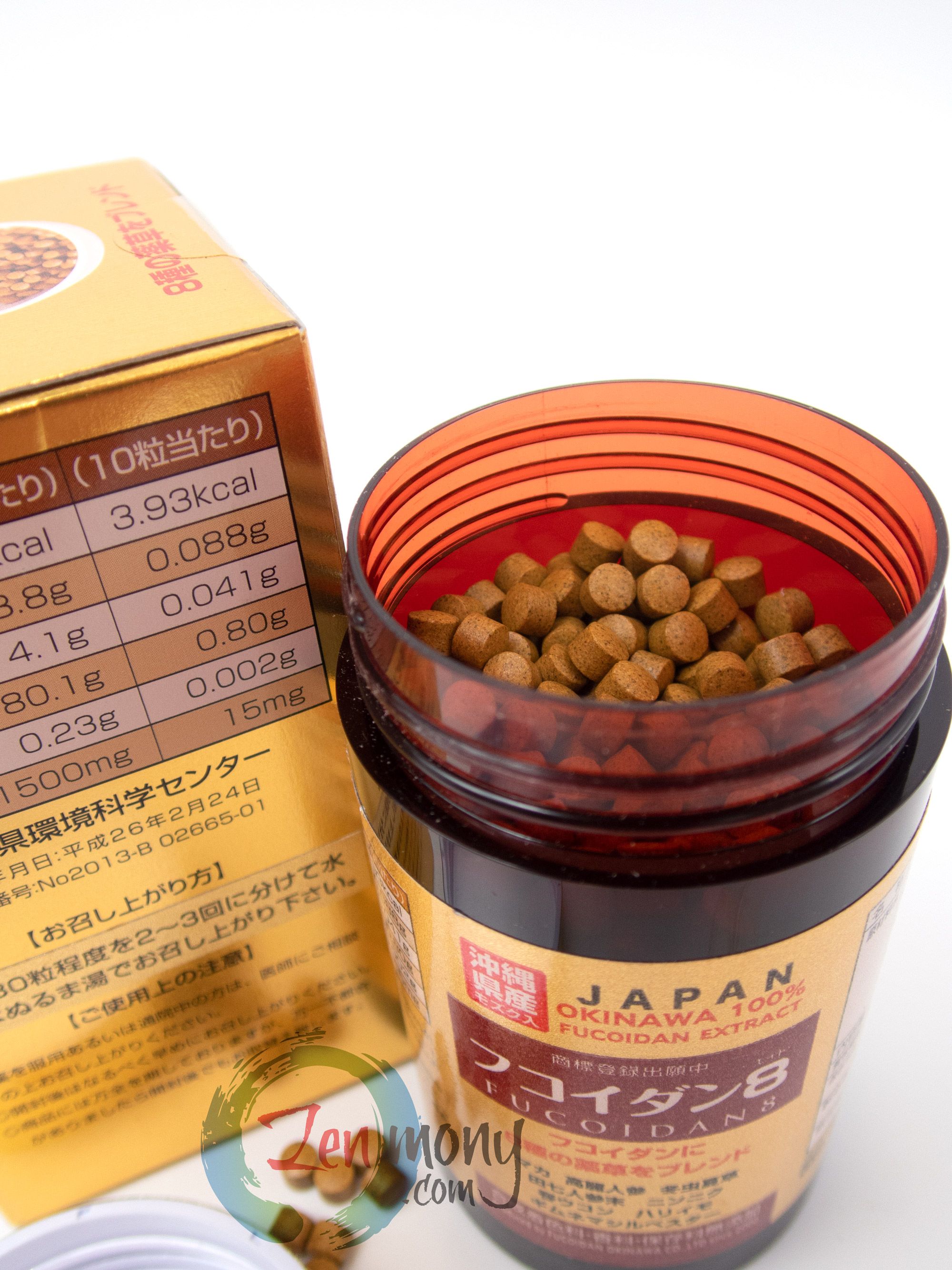
This is a unique product that combines the power of Okinawa mozuku fucoidan and another eight herbal components from Okinawa combined based on Ayurveda, the traditional Indian medicine principles.
- Fucoidan extracted from Okinawa mozuku seaweed has become a staple Okinawa health product.
- Gymnema Sylvestre is a component with thousands of years of use in Ayurveda, the traditional medicine teaching in India.
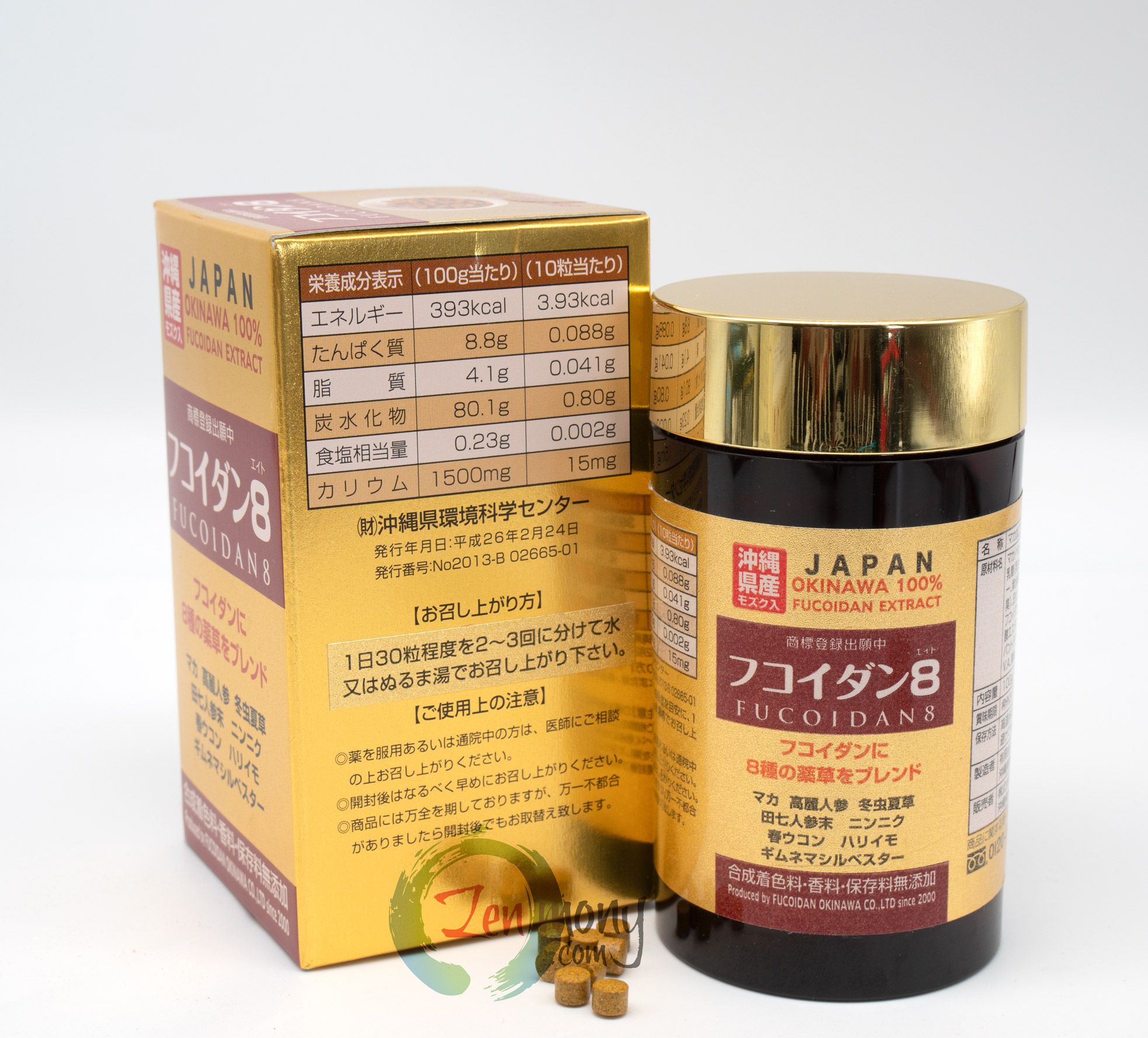
| How to use: | Take 10 tablets 1-2 times a day. |
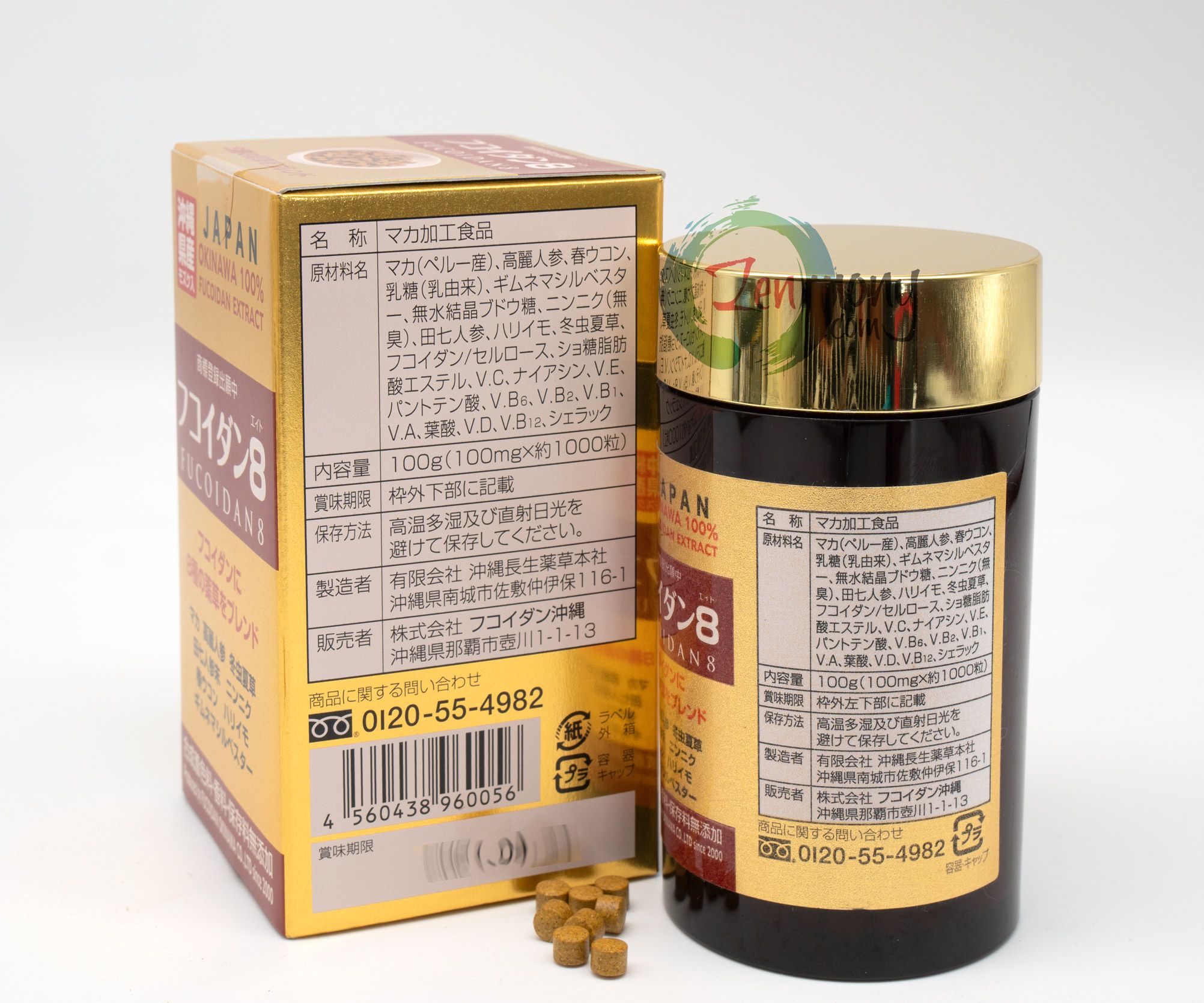
| Components: | Okinawa mozuku fucoidan, maca extract, Korean ginseng extract, panax notoginseng extract, caterpillar fungus extract, garlic extract, spring ukon extract, hariimo extract, gymnema sylvestre extract. |
| Contents: | 100g (100mg x 1000 tablets) |
| Manufacturer: | Chosei Yakuso Co., Ltd. (Okinawa, Japan) |
| Seller and brand owner: | Fucoidan Okinawa Co., Ltd. (Okinawa, Japan) since 2000 |
Below is the detailed explanations list of all components in this product:
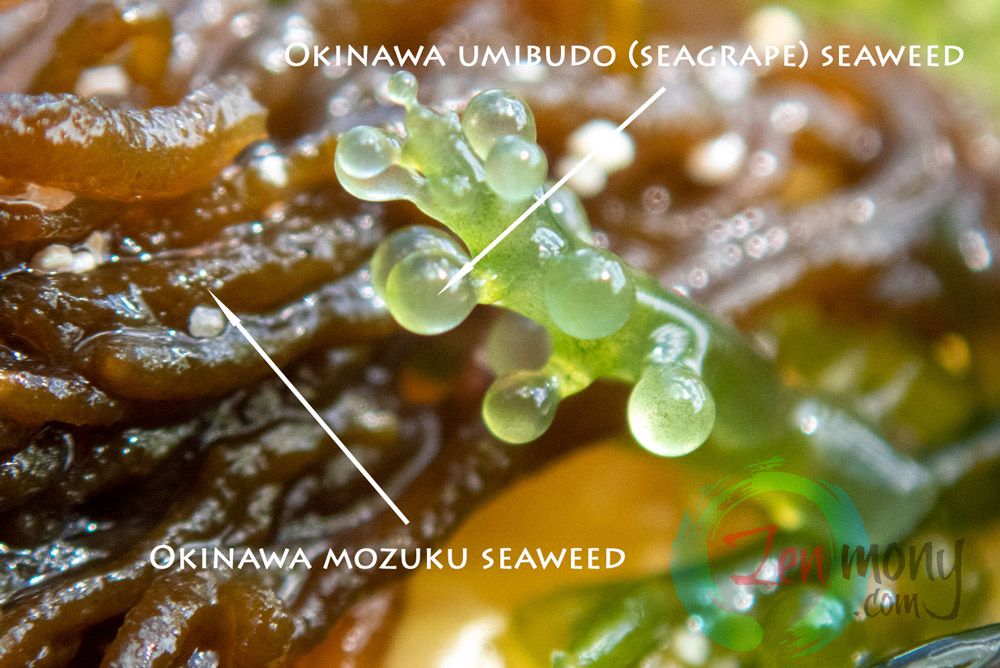
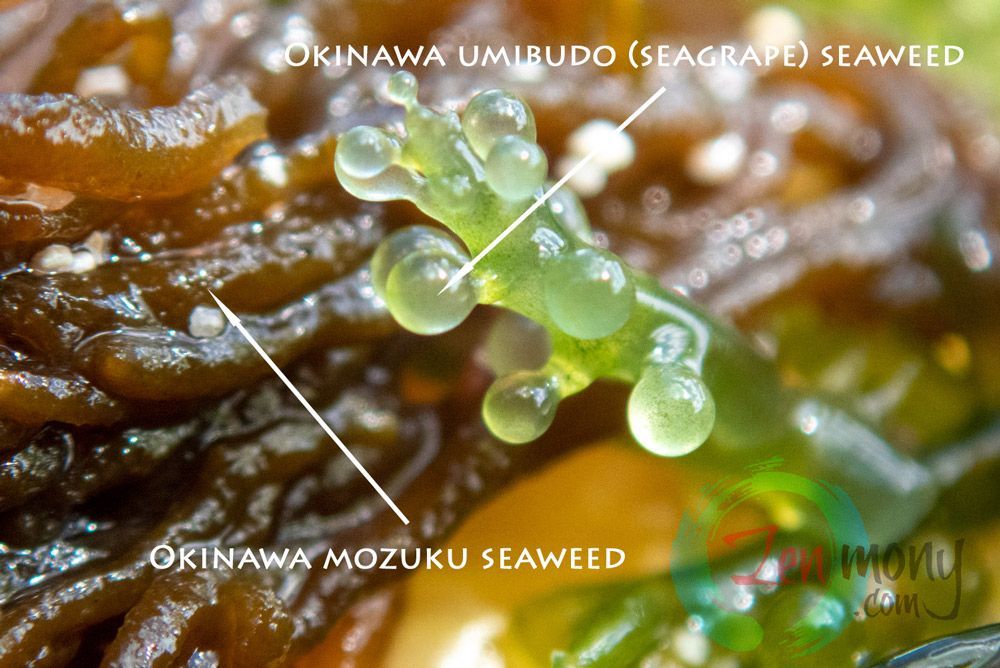 Fucoidan is an ingredient of dietary fiber derived from types of seaweed including mozuku and wakame, as well as kelp. A companion of the sugars known as polysaccharides, it is contained in the component of seaweed which makes it slimy. In scientific terms, fucoidan is a material comprised of fucose as a constituent saccharide to which uronic and sulfuric acid bind. Depending on the kind of brown algae (Okinawan mozuku, futomozuku, fucus evanescens, mekabu (root of the wakame seaweed), etc), there are differences between the type of algae and its fucoidan content. Okinawa mozuku fucoidan is the base ingredient in this product.
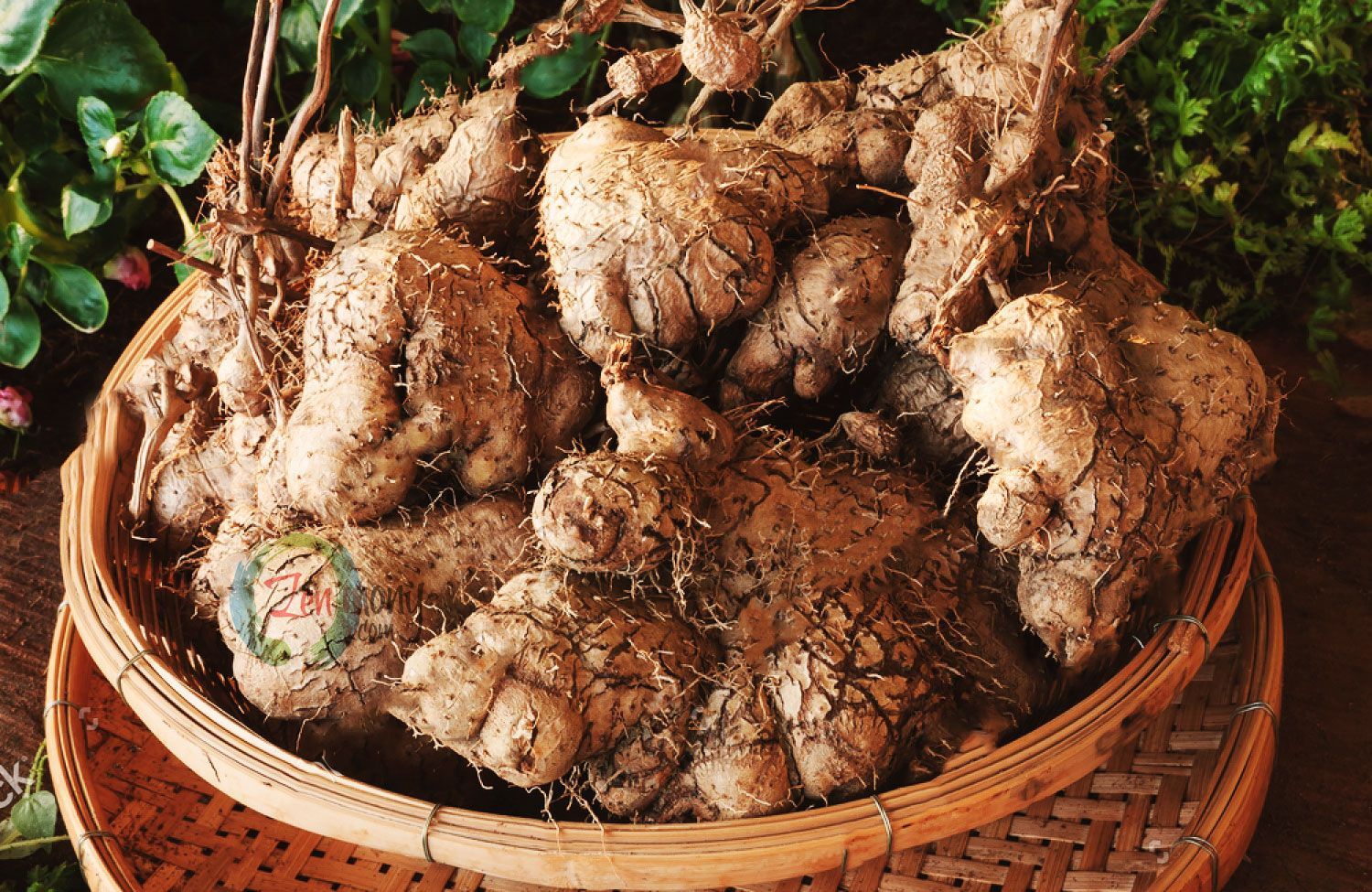 Lesser yam. The lesser yam (in Japanese, 'hariimo' or 'togedokoro') is a species of wild yam native to Okinawa belonging to the family Dioscoreaceae and genus Dioscorea. It is called "eel of the field" due to its extremely high nutritional value. The lesser yam has grown in the wild for more than 2000 years. Out of the Japanese yams which were cultivated by only a few farmers, calling it the children’s Ryukyu Japanese yam cannot be overstated.
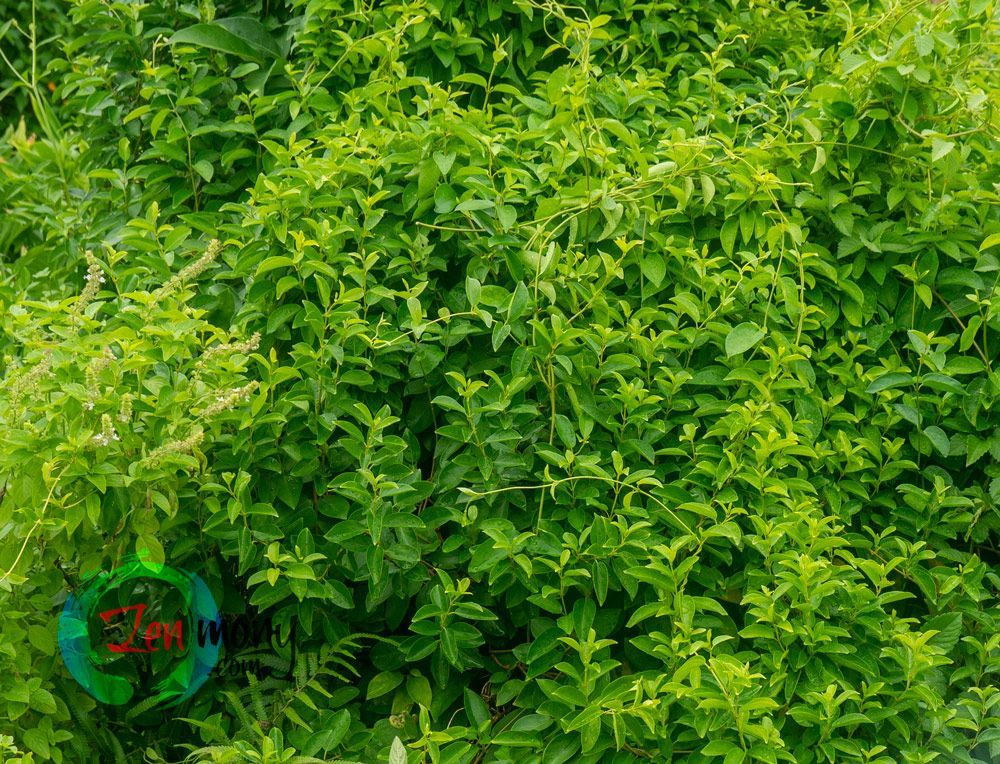 Gymnema Sylvestre. (contains Gymnemic acid). The surprising sweet taste suppression effect Gymnema sylvestre is a vine plant native to India, called 'gurmar' in Hindi and 'saccharicoli' in Tamil, meaning 'sugar destroyer'. As its name suggests, after chewing on the leaves of Gymnema, only sweetness you will not be able to taste. In India, it is used in the traditional medicine Ayurveda. However, the light of the science was shed in the middle of the nineteenth century, and a British officer
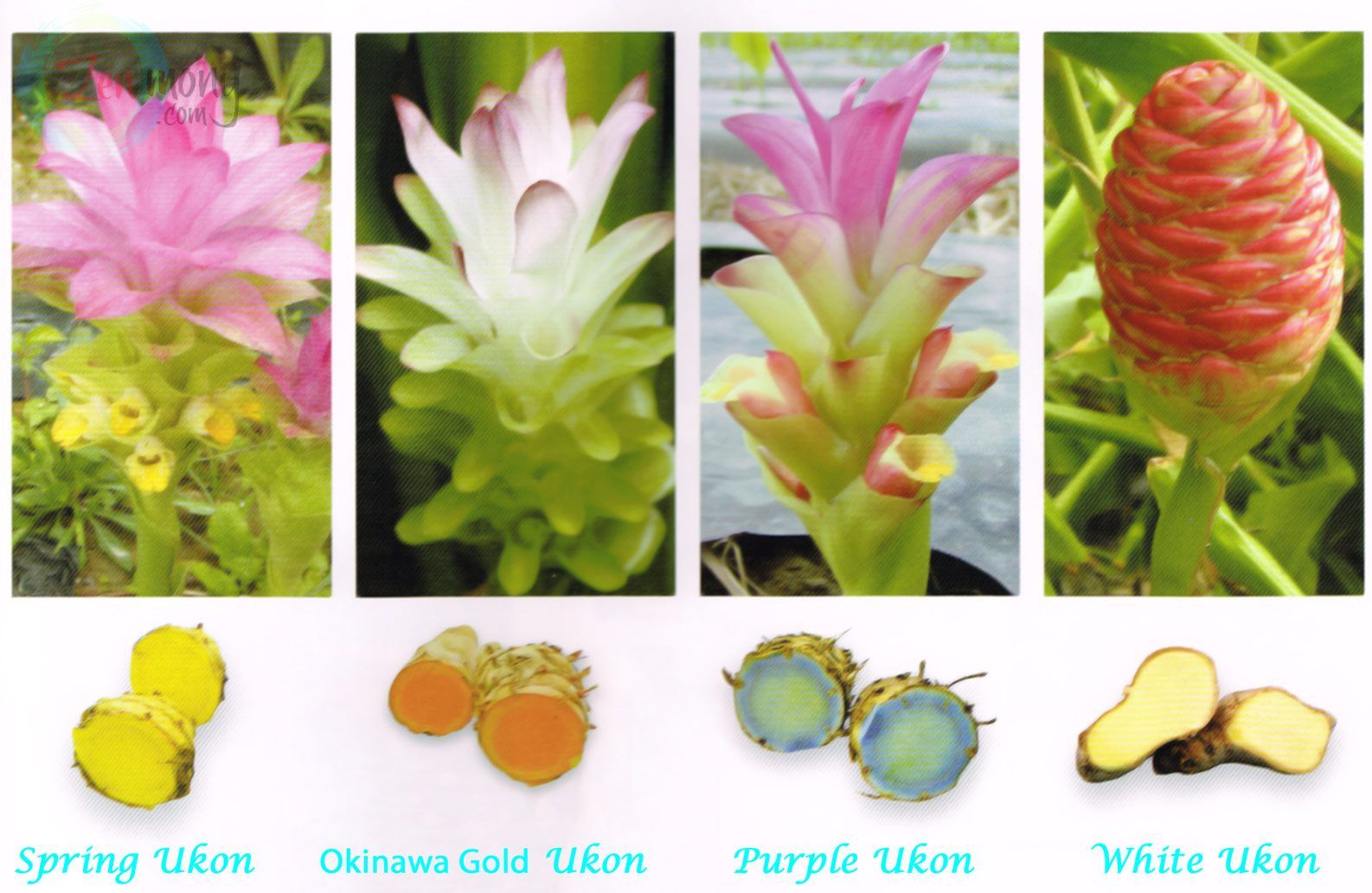
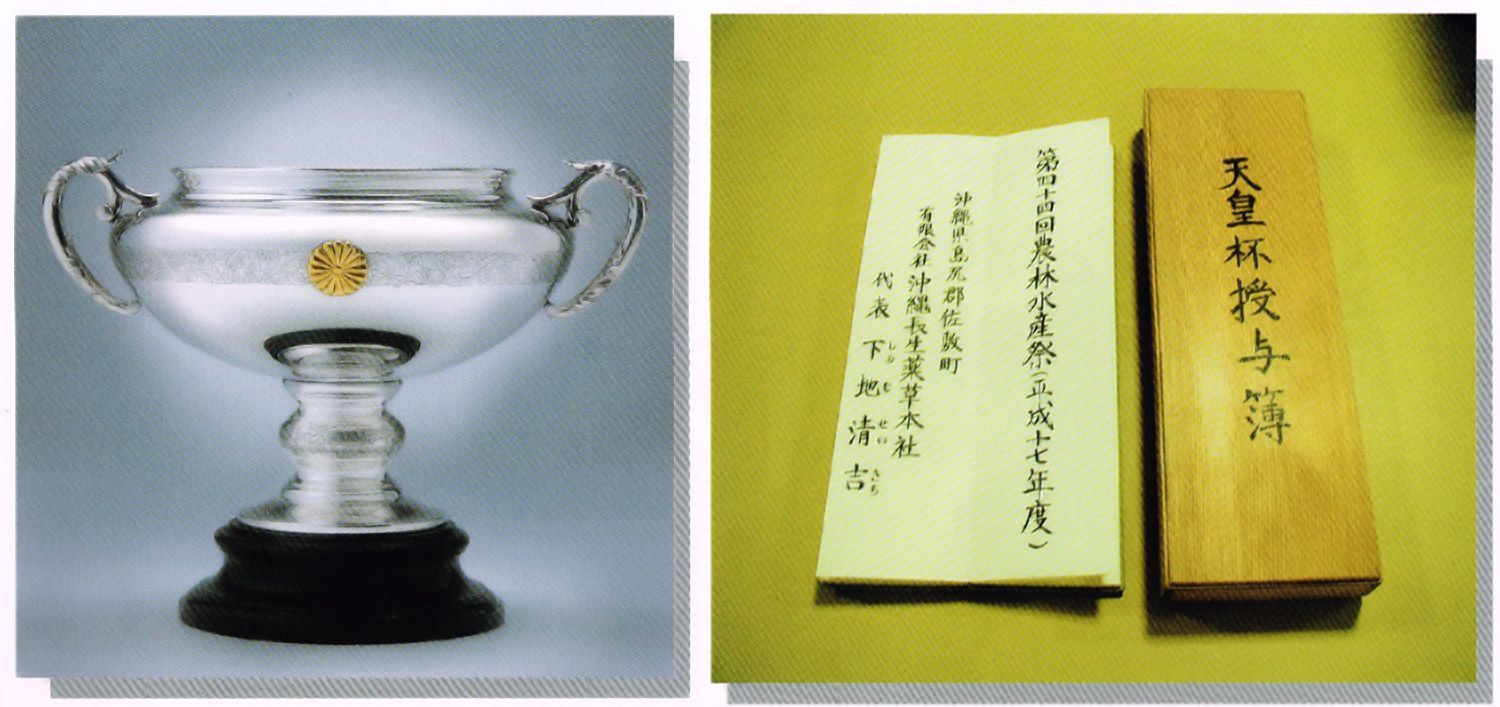 Okinawan Yellow Turmeric is a selectively-bred, unique variety of autumn turmeric. Compared to regular autumn turmeric, Okinawan Yellow Turmeric contains more than 3 times as much general curcumin, more than 22 times as much tetrahedro-curcumin, and twice as much oxygen radical absorbance capacity (ORAC). In 2005, we (Chosei Yakusou Company Inc.)received the Emperor's Cup for "the silk thread and local specialities section".
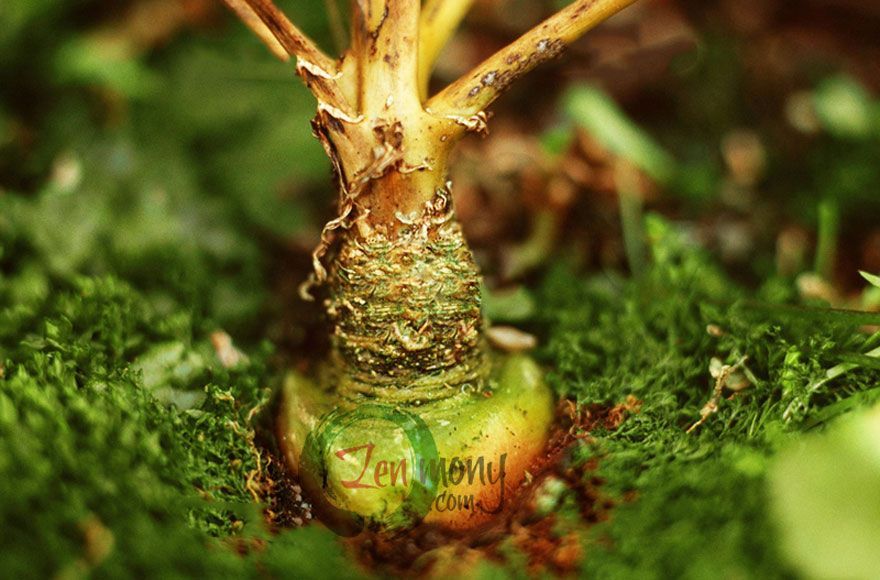 Maca/Maka (lepidium meyenii) - "The Treasure of the Andes". Maca (lepidium meyenii) is a perennial plant of the same family as daikon - Brassicaceae. It has a tough texture and is cultivated in the highlands of some of the world’s highest elevations of around 4000 meters – the Peruvian Alps. Swollen maca root has a flavor which combines sweet and spicy elements, and is baked, steamed and stewed before being eaten. A kind of porridge is made using maca which has been naturally dried for around a month and then boiled in milk.
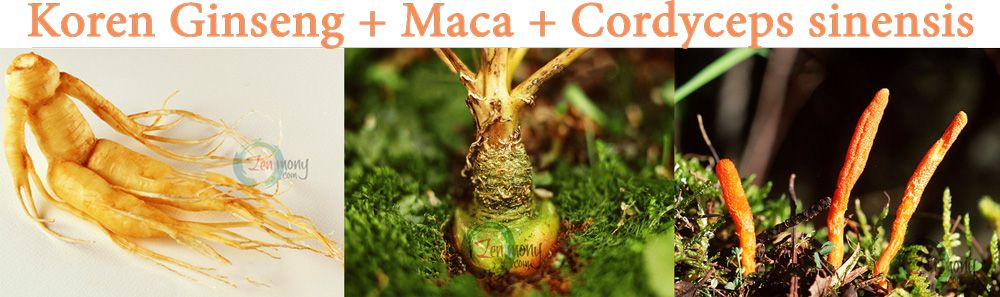
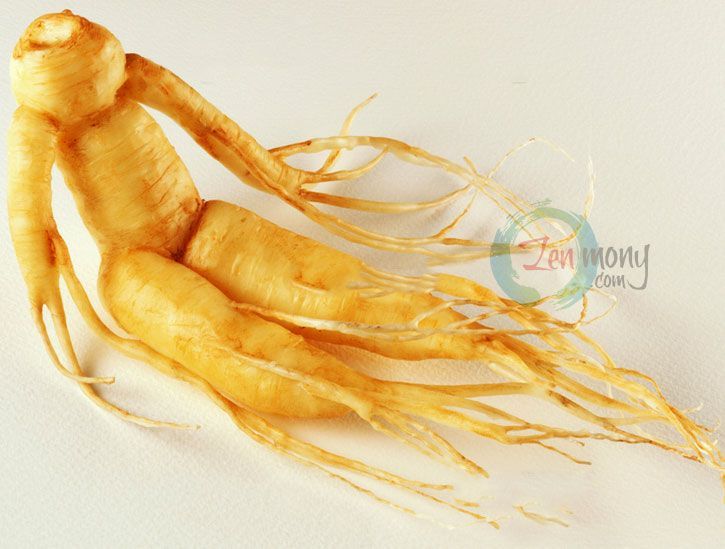 Ginseng/Koraininjin (Panax Ginseng) - with the active ingredient saponin. Ginseng (panax ginseng) is a perennial herb of the family Araliaceae which grows naturally through out north east China through to the Korean peninsula. Its Japanese name is otaneninjin, or ‘otane carrot’, and while regular carrot belongs to the family Umbelliferae, ginseng is a completely different plant.
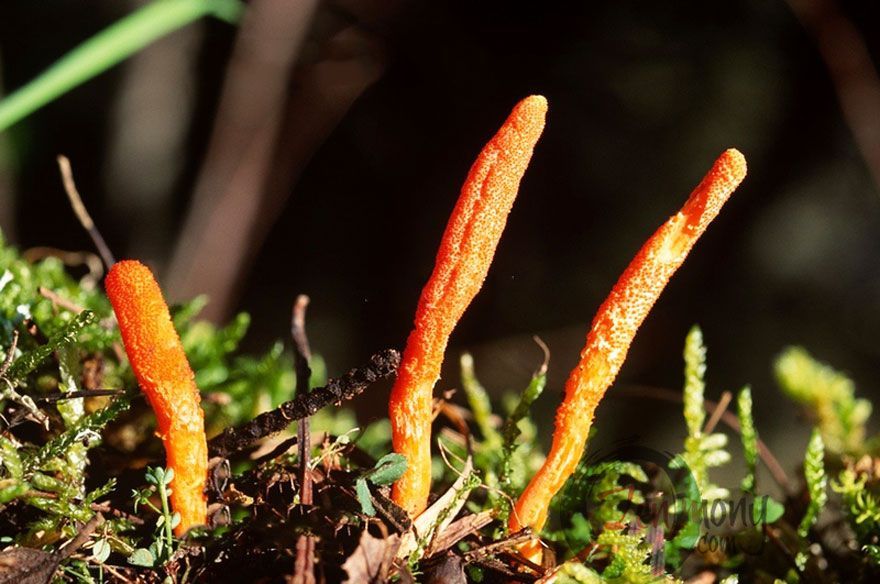 Caterpillar fungus/Tochukaso (Cordyceps sinensis). The mushroom (or spore) of the ascomycota phylum parasitises insects (generally bees, butterflies, moths, spiders, larvae such as beetles, pupa, and imago) and the sclerotium pervades through their bodies. When the time comes, stalk-like fruiting bodies emerges from the heads and joint parts of the insects ; these are collectively called “caterpillar fungus”. The Chinese characters describe the insect transforming into a mushroom. In China, it is also called "insect grass (虫草)", and Sichuan, Qinghai, and the Tibetan Plateau are particularly famous as production areas. With 20 species unique to Japan (including purpureocillium atypicola, cordyceps sobolifera, and cordyceps nutans) and 60 unique to China, as many as between 350 to 400 species are known to exist. The spore is still attached to the insect’s body, and the entire body is dried in the shade before use. ...With regards to Chinese books, Caterpillar fungus often makes appearances in classical literature, including Qing’s Wu Yi Luo’s “Ben Cao Cong Xin” published in 1757.
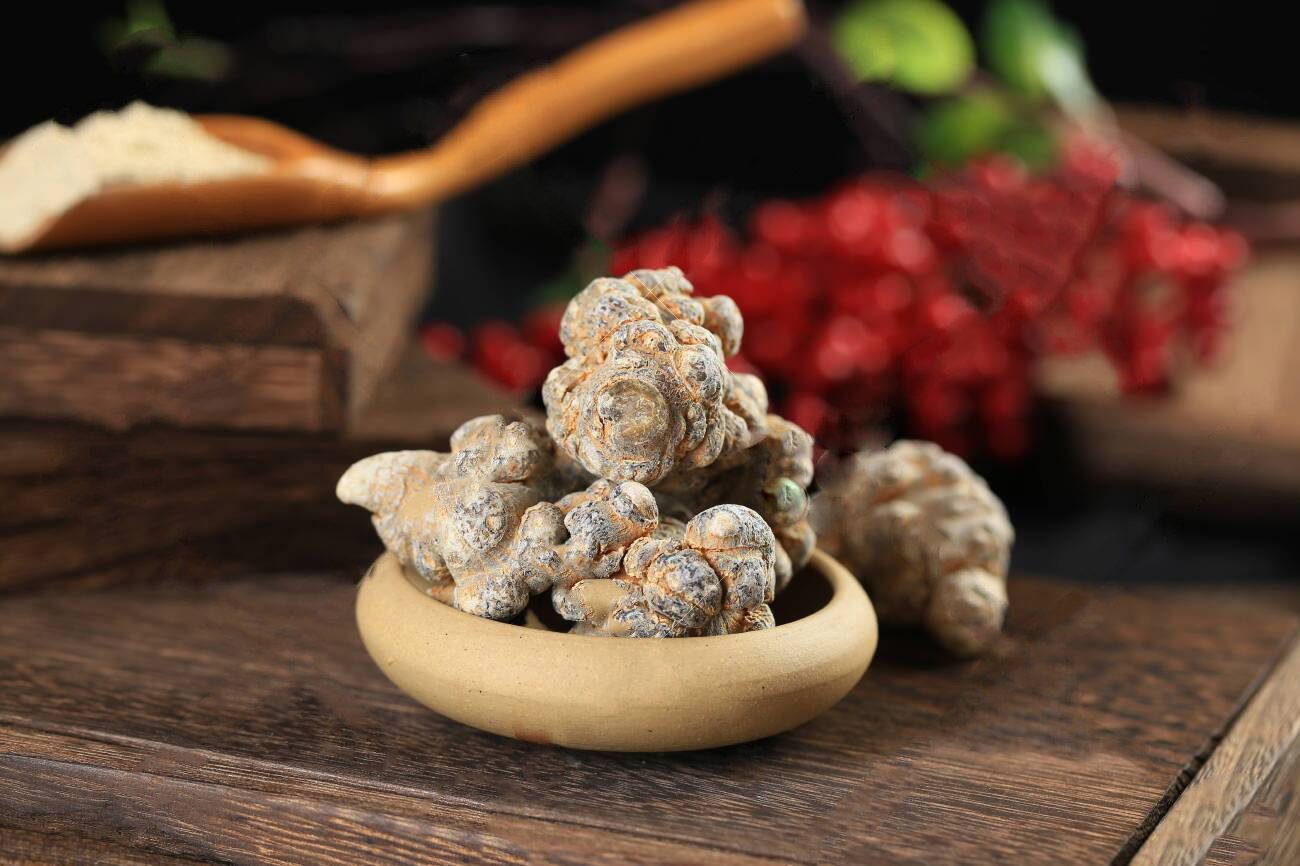 Panax notoginseng (also known as pseudoginseng). Panax notoginseng is of the Araliaceae family which originates in South West China (Yunnan, Sichuan and Guangxi Provinces) It has other names including the Japanese name Ninjinsanshichi, pseudoginseng and sanshichi. It’s rare name sanshichi (meaning three-seven) is said to be because it takes 3 to 7 years for the root to grow to the size needed for use. Another claim is that it is because the seven parts of its leaf are attached to the point of three branches, which grow out from each stem. Panax notoginseng has been called since ancient times “jīn bù huàn” (meaning, ‘priceless’).
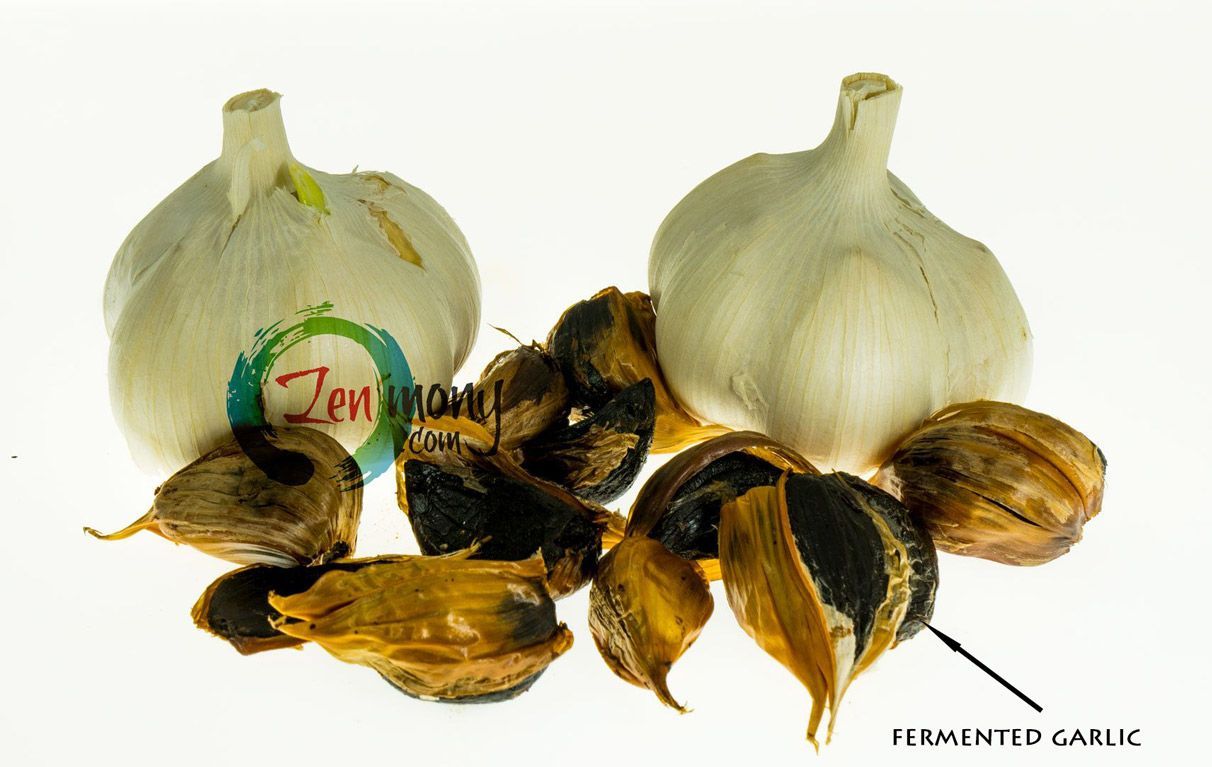 Garlic extract. Garlic (allium sativum) has been used in ancient Egypt, India and China as a spice. Scientific explanations regarding the active ingredients in garlic have advanced greatly, thanks to the late Professor Ohata who succeeded in 1936 in being the first to discover and extract scordinine. Furthermore, during the 1940’s allicin and alliin were discovered by American and Swiss scientists. Alliin is an amino acid which has no smell of its own, but is changed by the acid allicin found in garlic, revealing garlic’s strong scent. In recent years a method which masks the effect of allicin, being garlic’s particular smell - a huge factor in people being resistant to garlic - has been developed without eliminating allicin itself. Thus, processed “odorless garlic” is now a product which is selling on the market today. The explanation of garlic’s active ingredient is still no more than partly formed. It is thought to be other trace components, including germanium and others.